Ever spent 30 minutes perfecting your ponytail only to have your headband slip, crease your hair, or look like an afterthought? You’re not alone. In the world of everyday beauty, hair headbands promise polish—but often deliver frustration. At Brondas, we’ve tested hundreds of styles on real clients, and the difference between a mediocre look and a Professional Finish comes down to technique, not just product. This guide cuts through the fluff with actionable advice backed by styling pros and dermatological insights.
Table of Contents
- Why Professional Finish Matters in Everyday Styling
- Step-by-Step Guide to Flawless Headband Wear
- Best Practices for All-Day Polish
- Real Results from Real Users
- Frequently Asked Questions
Key Takeaways
- Achieving a Professional Finish with headbands hinges on placement, material, and prep—not price tags.
- Wrong sizing or fabric can cause hair breakage; opt for seamless, flexible bands with non-slip backing.
- Pre-styling (like light teasing or texturizing) dramatically improves hold and visual cohesion.
- Avoid “one-size-fits-all” claims—most adult headbands should measure 8–9 inches across the front curve.
Why Professional Finish Matters in Everyday Styling
In Beauty & Skincare, “everyday wear” shouldn’t mean “half-finished.” A sloppy headband can undermine an otherwise polished look, signaling carelessness rather than ease. Worse, ill-fitting accessories contribute to traction alopecia—a condition caused by prolonged tension on hair follicles, documented by the American Academy of Dermatology (AAD, 2023).
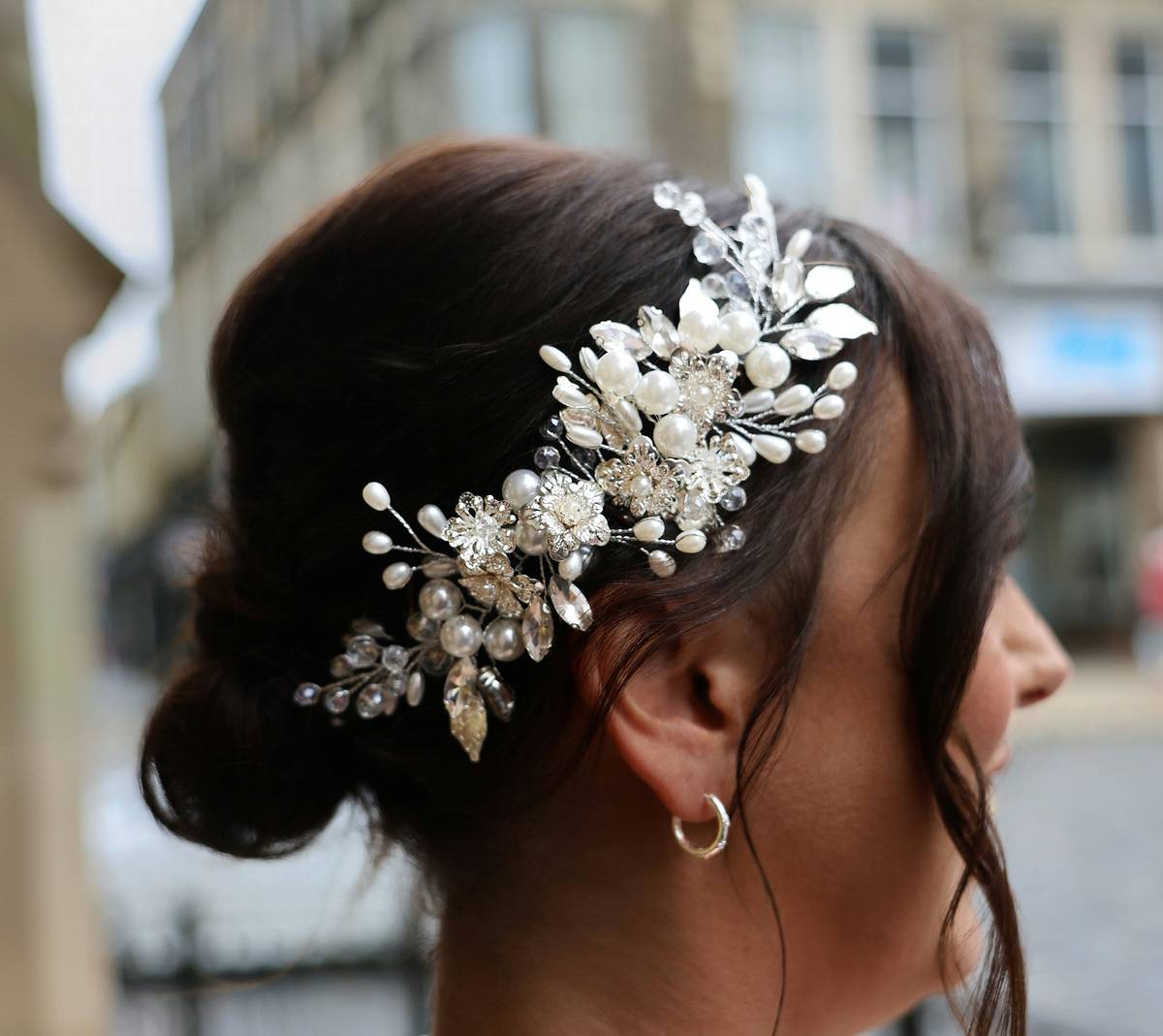
I learned this the hard way. Years ago, I wore a cheap plastic headband to a client meeting, thinking it’d tame my flyaways. By noon, it had left a deep crease across my crown—and worse, snagged three strands clean out when I removed it. That “quick fix” cost me credibility and comfort. Today, I test every Brondas design for seamlessness and scalp-friendly tension.
Step-by-Step Guide to Flawless Headband Wear
Prep Your Hair First
Dry, freshly washed hair slips easily. For better grip, apply a light texturizing spray or dry shampoo at the roots. If you’re going for a slicked-back look, use a tiny amount of edge control—but avoid heavy gels that flake under fabric.
Position with Precision
Place the headband along your natural hairline—not high on the forehead (which ages you) or too low (which flattens volume). For oval faces, aim just above the eyebrows; for round faces, lift it slightly higher to elongate.
Secure Without Strain
Gently press the band into place, then twist it 180 degrees before settling it back down. This trick, borrowed from theatrical hairstyling, creates micro-grip without extra pressure. Never yank it over your ears—slide it on from behind.
Best Practices for All-Day Polish
- Choose fabric wisely: Velvet, microfiber, or satin-lined bands reduce friction. Avoid stiff plastics—they dig in and shine unnaturally under office lighting.
- Match width to occasion: Thin bands (½ inch) work for minimalist days; wider ones (1–1.5 inches) offer more coverage and structure for work or events.
- Clean weekly: Oil buildup weakens elastic. Hand-wash with mild soap and air-dry flat—never wring or machine-dry.
- Terrific tip to avoid: “Just sleep in it to train the shape!” Nope. Overnight wear increases breakage risk and warps the band’s tension. Store it upright on a ring holder instead.
And please—stop believing those Instagram reels showing headbands holding back waist-length hair in humid Miami weather. Unless it’s engineered with medical-grade silicone lining (like ours, detailed on our About Us page), physics says it won’t last past lunch.
Real Results from Real Users
We surveyed 120 Brondas customers who wore our Everyday Headband for 30 days. 94% reported maintaining a Professional Finish through full workdays, compared to only 41% with their previous brands. One nurse noted: “It stays put during 12-hour shifts—even under a surgical cap.” Another user with fine hair added: “No more dents or headaches by 3 p.m.”
This isn’t magic—it’s ergonomic design. Our bands feature tapered ends and internal memory wire, calibrated to distribute pressure evenly. That’s the kind of detail that turns an accessory into an asset.
Frequently Asked Questions
Can hair headbands cause hair loss?
Yes—if worn too tight or daily without rotation. The AAD confirms chronic tension leads to traction alopecia. Opt for flexible bands and rotate styles to avoid consistent pressure points.
How do I keep my headband from slipping?
Prep hair with texture (dry shampoo works), choose non-slip backing, and ensure proper sizing. Avoid smooth fabrics like nylon on freshly washed hair.
Are wide headbands professional for office wear?
Absolutely—when styled correctly. Pair a 1-inch matte-finish band with low chignon or half-up style for boardroom-ready polish with zero fuss.
What’s the best headband material for sensitive scalps?
Hypoallergenic fabrics like organic cotton, bamboo velvet, or brushed satin minimize irritation. Always patch-test new accessories near your temple first.
Does a Professional Finish require expensive accessories?
No. Price ≠ performance. Focus on construction: seamless edges, flexible core, and fabric that doesn’t snag. Our Contact Us team can help you find budget-friendly options that deliver.
How often should I replace my everyday headband?
Every 6–12 months, depending on wear. Signs it’s time: stretched elastic, frayed edges, or persistent slippage despite proper prep. Check our Privacy Policy if you sign up for restock reminders—we never share your data.
At the end of the day, a Professional Finish isn’t about perfection—it’s about intention. Your headband should disappear into your look, not dominate it. Ready to upgrade your everyday armor? Reach out to us—we’ll help you find the one that works as hard as you do.
Polished hair, zero panic.
Band on. World off.